RSV, Flu & Norovirus: What Actually Closes a Childcare Center?

Insurance Economics 101 for Senior Care Operators
Instructions: For senior care operators, managing the complex relationship between risk, liability, and insurance is a high-stakes balancing act. Premiums are rising, driven by social inflation and an increase in high-dollar verdicts for incidents related to infections, falls, and wounds. The average liability claim for a single incident has now reached a staggering $247,000. In […]
Daycare Ventilation, By the Numbers (A Plain-English Guide to ASHRAE 62.1)

Instructions: As a childcare director, you are an expert in early childhood education, safety, and creating a nurturing environment. You may not, however, be an expert in mechanical engineering. Yet, one of the most critical factors for keeping children and staff healthy is happening invisibly in the air around them: ventilation. When we talk about […]
Electrostatic Sprayers vs. Fogging: Where the Evidence Points

Instructions: When a facility needs to go beyond routine cleaning to disinfect large or complex areas, two technologies often come to mind: electrostatic sprayers and “foggers.” While both are designed to disperse liquid disinfectants over surfaces, their underlying mechanics, use cases, and safety profiles are profoundly different. Choosing the right application method is not just […]
ATP Testing: Power, Pitfalls, and How to Avoid “False Lows”
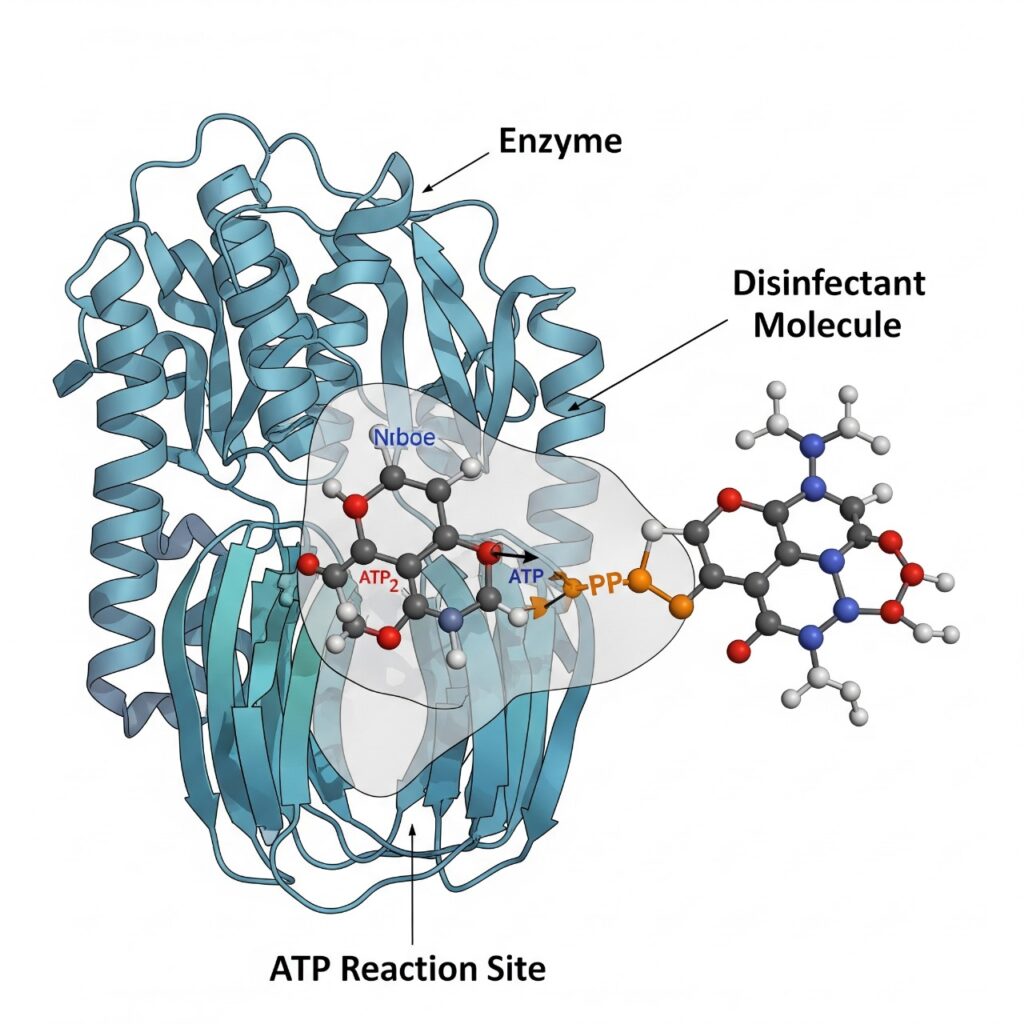
Instructions: For facility operators and quality assurance leaders, ATP (adenosine triphosphate) monitoring is one of the most powerful tools available. It provides a near-instant, quantitative measure of cleaning effectiveness, replacing subjective visual checks with objective, scientific data. But like any powerful tool, its data is only as reliable as the process used to collect it. […]
Beyond “Visual Clean”: Why Verified Hygiene Beats Appearances

Instructions: For decades, the standard for a “clean” facility has been what we can see, smell, and touch. A gleaming floor, the scent of disinfectant, and a tidy appearance have served as proxies for safety. But this approach, known as “hygiene theater,” leaves organizations dangerously exposed. The threats that lead to outbreaks, costly closures, and […]