Instructions: For decades, the standard for a “clean” facility has been what we can see, smell, and touch. A gleaming floor, the scent of disinfectant, and a tidy appearance have served as proxies for safety. But this approach, known as “hygiene theater,” leaves organizations dangerously exposed. The threats that lead to outbreaks, costly closures, and catastrophic liability claims are invisible, and they are not addressed by appearances alone.
A new standard is emerging: Environmental Health Security (EHS). It replaces subjective guesswork with a continuous, data-driven model of oversight and verification that builds trust with families, satisfies regulators, and strengthens your position with insurers.
Visual vs. Verifiable Hygiene
Visual hygiene is deceptive. A surface wiped with a dirty cloth can look clean but still harbor dangerous levels of pathogens. An HVAC system running quietly can be failing to provide adequate fresh air, allowing respiratory viruses to accumulate. The prevailing visual-only cleaning standards create a dangerous illusion of safety.
Verifiable hygiene, in contrast, is based on objective proof. It uses scientific tools to measure what the human eye cannot see, generating quantitative data that proves protocols are not only being followed but are actually effective. This creates a permanent, auditable data trail—an immutable record of your commitment to safety that stands up to scrutiny.
The EHS Model: Assess → Fortify → Verify → Certify
The Theorem Guard EHS model is a simple, closed-loop cycle designed to create continuous improvement and lasting resilience.
Assess
The first step is to understand your unique environment. We analyze your physical layout, population vulnerabilities, existing cleaning protocols, and airflow patterns. This isn’t just a walkthrough; it’s a data-gathering process to identify your specific priorities and risk profile. For a daycare, this might focus on the “fomite-to-aerosol risk nexus” in playrooms. For a senior living facility, the assessment might prioritize a review of the water management program to mitigate Legionella risk.
Fortify
With a clear understanding of your risks, we help right-size your protocols. This means aligning your cleaning chemistries, schedules, and staff training with evidence-based standards—without operational disruption. This could involve implementing a color-coded microfiber program to prevent cross-contamination or upgrading HVAC filters to MERV-13 to better capture airborne particulates. The goal is to establish a stronger, more effective baseline of defense.
Verify
This is where proof replaces assumption. Our technicians conduct routine, unobtrusive checks to confirm that your fortified protocols are working. This ongoing verification process provides a real-time feedback loop, allowing for immediate corrective action and continuous improvement. It’s the engine of the EHS model, transforming your protocols from a static checklist into a dynamic, responsive system.
Certify
Consistent, data-backed performance earns the Theorem Guard Certification. Unlike a static, point-in-time audit, our certification is a living signal of your ongoing commitment to health security. Because it reflects current performance, the certification status can be paused or revoked if standards are not maintained, ensuring its integrity and value. It becomes a powerful tool for communicating trust to families, staff, and stakeholders.
What to Measure: The Data That Matters
Verification relies on measuring the right things. We focus on three key operational proxies:
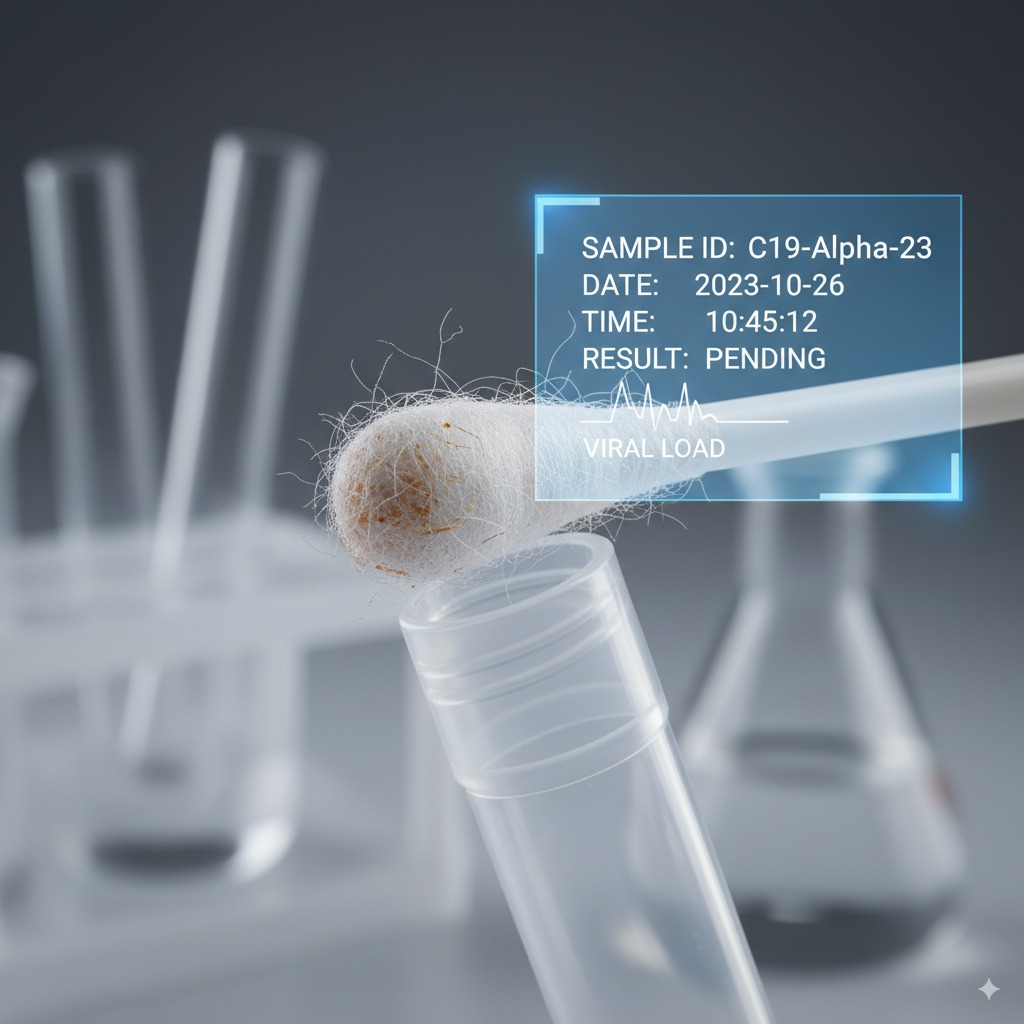
- ATP for Surfaces: We use ATP (adenosine triphosphate) testing to get a rapid, quantitative measure of the total microbial load on a surface. It tells us, in seconds, if a surface is truly clean. While it doesn’t identify specific viruses, ATP is a globally recognized and powerful indicator of hygiene effectiveness.
- CO₂ for Air Quality: Carbon dioxide (CO₂) levels are an excellent real-time proxy for ventilation adequacy. When people exhale in a poorly ventilated space, CO₂ levels rise. High CO₂ levels indicate that other things they exhale—like respiratory viruses—are also accumulating in the air.
- SOP Adherence: Having a great plan on paper isn’t enough. We conduct scheduled audits to verify that Standard Operating Procedures (SOPs)—like correct chemical dilution, proper PPE use, and filter change logs—are consistently followed.
Case Vignette: A senior living director (“Brenda”) was confident in her team’s daily cleaning but frustrated by recurring, low-level gastrointestinal illnesses. Our initial assessment showed high ATP scores on dining room handrails, despite them being wiped twice daily. By verifying post-cleaning results each week, the team was able to refine their technique and switch to a more effective disinfectant. Within two months, average ATP scores fell by 85%, and the facility went three months without a single new case.
Transparency and Certification: Building Unshakable Trust
In a world of skepticism, verifiable data is the currency of trust. The information gathered through the EHS process is logged in a secure, transparent dashboard. This provides you with an at-a-glance view of your facility’s performance, trend reports, and a permanent data record for compliance and insurance conversations.
This transparency extends to your community. We provide public-safe report snapshots and communications tools that allow you to share your commitment to safety with families and residents without revealing sensitive operational data. The Theorem Guard certification seal becomes a visible, credible signal that your facility is held to a higher, continuously verified standard, which is a powerful differentiator.
Getting Started: Three Quick Wins
Implementing an EHS program doesn’t require a complete operational overhaul. You can start with a few high-impact, low-disruption steps:
- Map Your High-Touch Zones: Identify the 5-10 most frequently touched surfaces in your facility (e.g., front doorknobs, elevator buttons, common area tables) and ensure they are the top priority for your cleaning staff.
- Check Your Filters: Inspect your HVAC filters. If they are not MERV-13 or higher, upgrading them is one of the single most effective steps you can take to improve indoor air quality.
- Review Your Chemicals: Ensure your primary disinfectant is EPA-registered for the pathogens most common in your setting (e.g., Norovirus for daycares, diff for senior care) and that staff are strictly following the required dwell times.
Visual appearances are no longer enough. The future of facility management is data-driven, and it begins with moving beyond what you can see.
FAQ
Question: What is verifiable hygiene?
Answer: Verifiable hygiene is an approach that uses scientific tools like ATP tests and CO₂ sensors to measure and prove the effectiveness of cleaning and ventilation, moving beyond subjective visual checks to create an auditable record of environmental safety.
Question: How does the “Assess → Fortify → Verify → Certify” model work?
Answer: It’s a four-step continuous improvement cycle. We first Assess your space and practices, then Fortify your protocols with evidence-based standards. We then continuously Verify performance with quantitative data and, finally, Certify your facility to demonstrate this ongoing commitment to a higher standard of safety.
Question: Is ATP testing the same as testing for specific viruses like COVID-19?
Answer: No. ATP testing measures the total organic load on a surface, serving as an excellent indicator of overall cleanliness. It doesn’t identify specific pathogens but provides a rapid, objective measure of whether a surface has been effectively cleaned and disinfected.
Learn about our Analytics Engine
https://theoremguard.ai/analytics-engine/
See how we Verify
https://theoremguard.ai/verify/